24/7
5(54)
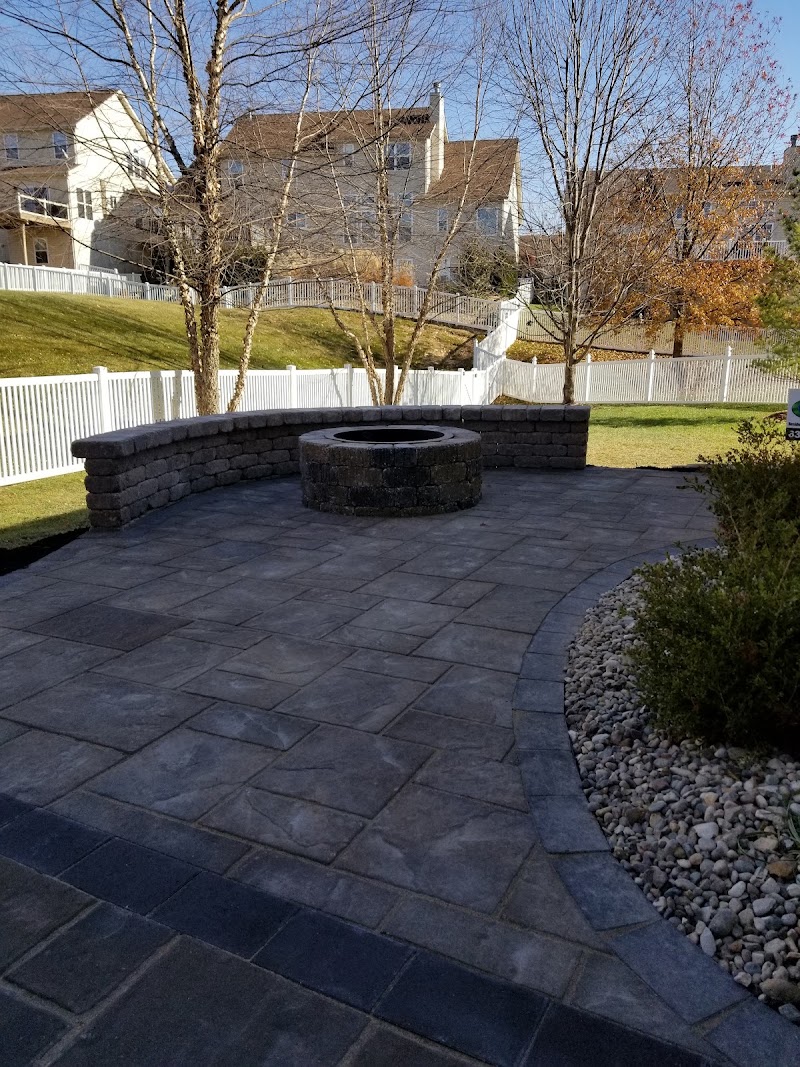
Our place is beautiful and functional because of his expertise.
72 Muirfield Hill Ct N
24/7 Emergency Services Available
HVAC & Plumbing emergencies - get help now
Find trusted heating, cooling, and plumbing professionals serving St. Louis City and surrounding areas.
14 local professionals
Our place is beautiful and functional because of his expertise.
They worked extremely hard and completed the job in 2 days as promised.
Dave came out and fixed our AC unit promptly & was super friendly.
Their bids were lower than others we got and yet their work was superb.
They replaced my hot water heater and now repaired my A/C unit.

Professional plumbing services for St. Charles area
They are knowledgeable, kind, and provide service at a great value.
They were able to work within our timeframe and did a fantastic job.
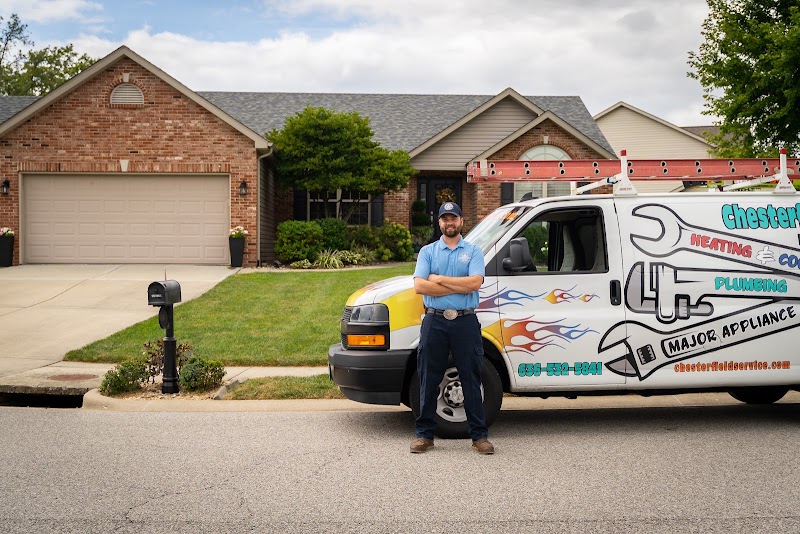
They fixed our AC unit for us and made sure they did it the right way.
Kept us informed along the way and fixed our A/C unit.
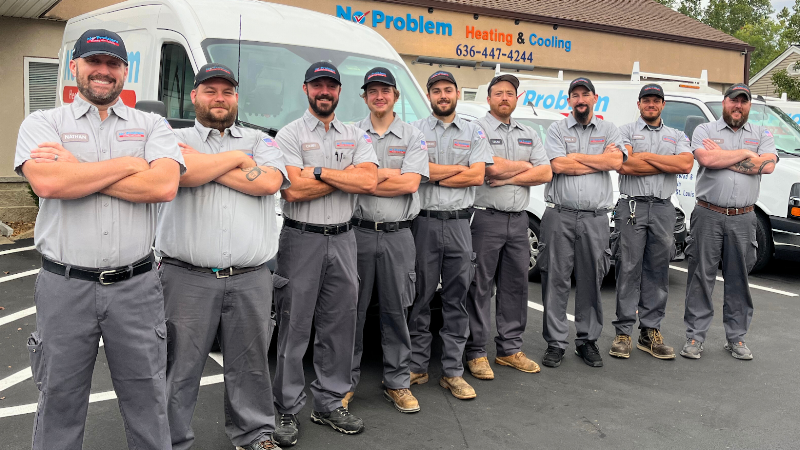
He had our thermostat swapped out in no time, and our house is warm again.
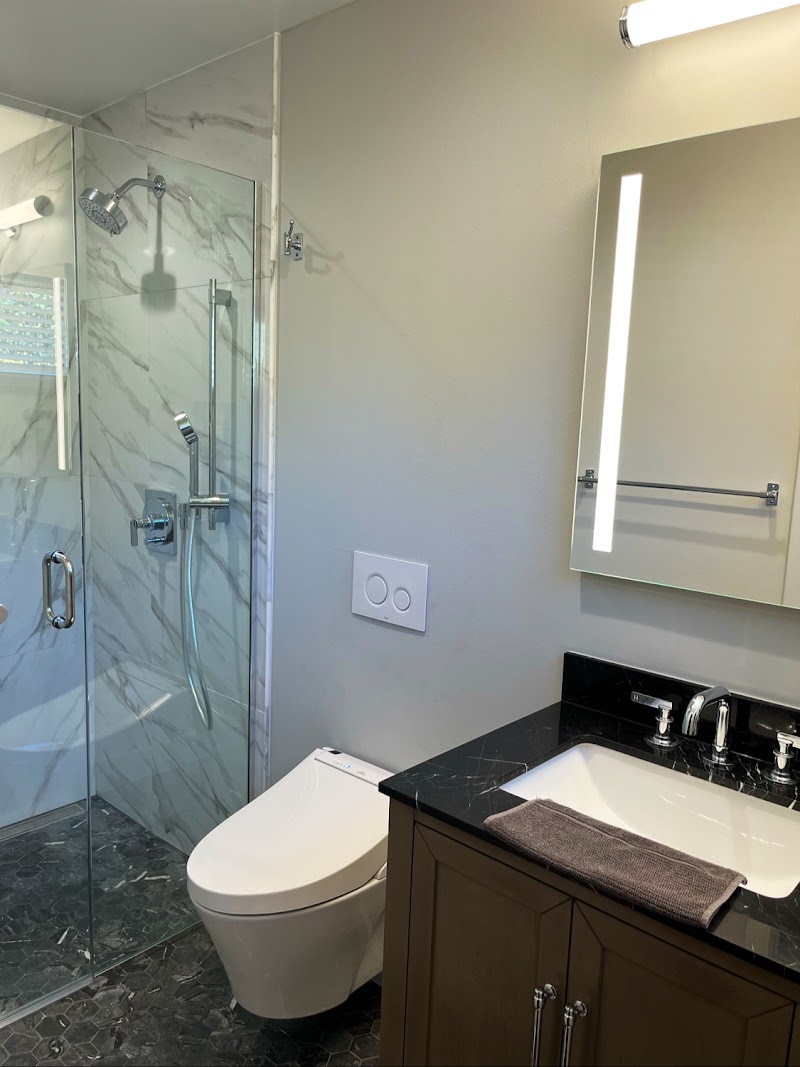
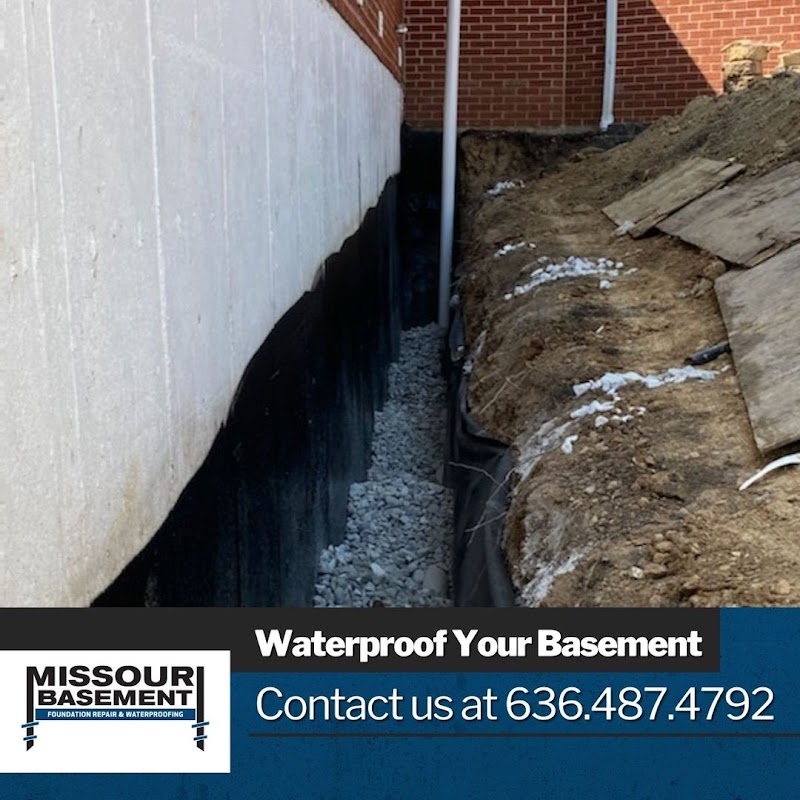
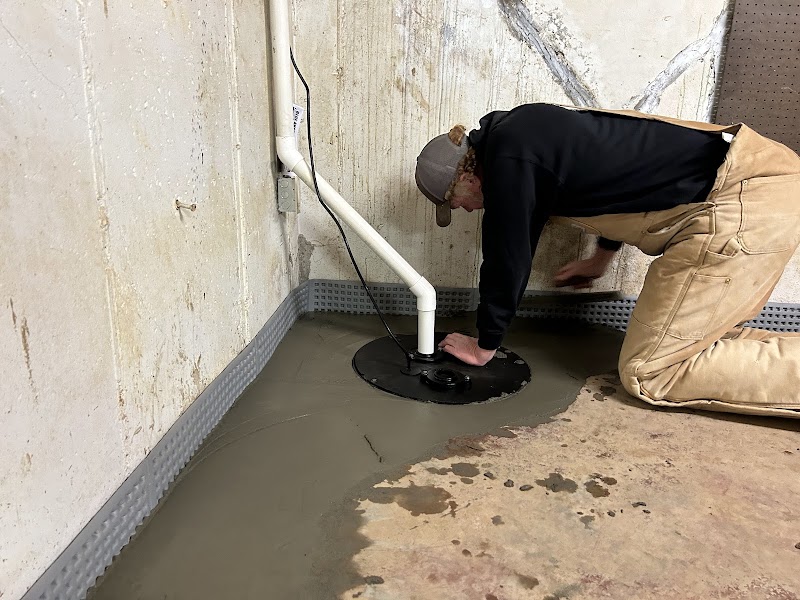
Top-rated basement specialists. Customer review: "Would highly recommend, if you are in need of any basement repair/waterproofing."
They were on time and did a first rate job.
Professional HVAC system repair services for heating and cooling units.
Find prosComplete HVAC system installation for residential and commercial properties.
Find prosAir conditioning repair and maintenance services to keep you cool.
Find prosFurnace repair and maintenance to ensure reliable heating.
Find pros24/7 emergency HVAC services for urgent heating and cooling issues.
Find prosPipe repair and replacement for all plumbing systems.
Find prosSewer line repair and replacement services.
Find prosProfessional drain cleaning to remove clogs and blockages.
Find prosProfessional water heater installation for all types of units.
Find prosWater heater repair and installation services.
Find pros24/7 emergency plumbing services for urgent issues like burst pipes.
Find prosGeneral plumbing repair services for leaks, fixtures, and pipes.
Find prosSpecialists in historic homes, brick rowhouses, and urban HVAC, plumbing, and foundation challenges across the City of St. Louis.
The City of St. Louis contains some of the most architecturally significant housing in the region, from Victorian brick homes in Tower Grove and Soulard to mid-century bungalows in South City and newer rehabbed condos downtown. Urban homes present distinct service challenges: narrow lots, limited access for equipment, aging infrastructure, and the need to preserve historic character while upgrading mechanical systems.
STL Home Pros connects City of St. Louis homeowners with contractors experienced in urban and historic residential work. Whether you need a mini-split installation in a brick rowhouse, a sewer line inspection in a century-old home, or foundation stabilization in a limestone basement, local pros in our directory understand the unique demands of city properties.
The City of St. Louis has its own building division and requires permits for HVAC, plumbing, water heater, and structural work. Historic districts may require additional Landmarks Commission review. Experienced city contractors navigate these requirements as part of the project.
Verify permits, flood zones, and utility details directly with these official sources:
A backwater valve on the sewer lateral is the standard protection in combined-sewer areas. During extreme rain events, avoid running washers and dishwashers. If backups recur, have the lateral scoped — MSD maintains public mains, but the lateral to your house is yours.
Yes. The city administers its own licensing and registration programs for many trades, separate from St. Louis County and the state. Always ask a contractor for their license number and confirm it directly with the issuing body before hiring.
Pre-1950 homes may have lead service lines. The City Water Division can help you identify the service line material, and a plumber can replace the homeowner-owned portion. Running cold water before drinking and using certified filters are interim steps.