5(306)
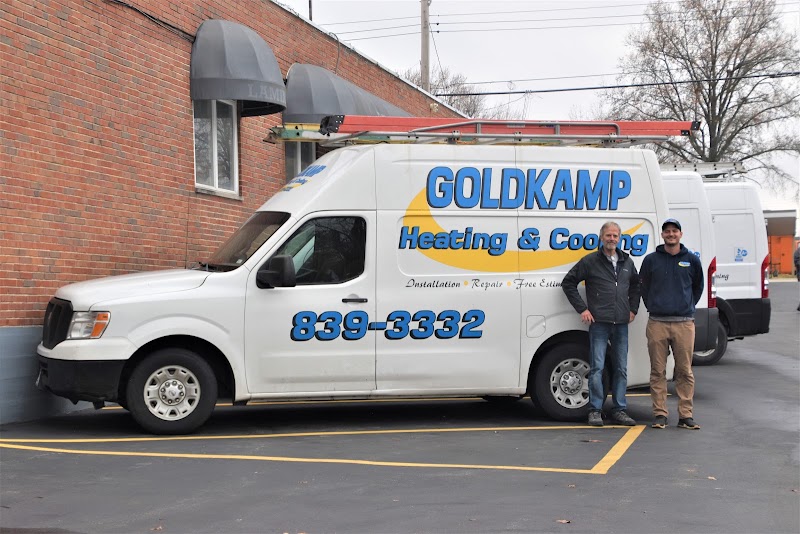
Our technician was prompt, professional and fixed our problem quickly.
HVAC Repair
HVAC Installation
AC Repair
+1 more
8200 Orf Rd #101
24/7 Emergency Services Available
HVAC & Plumbing emergencies - get help now
Find trusted heating, cooling, and plumbing professionals serving St. Louis County and surrounding areas.
44 local professionals
Our technician was prompt, professional and fixed our problem quickly.

His workmanship, professionalism and prompt timing updates were outstanding.
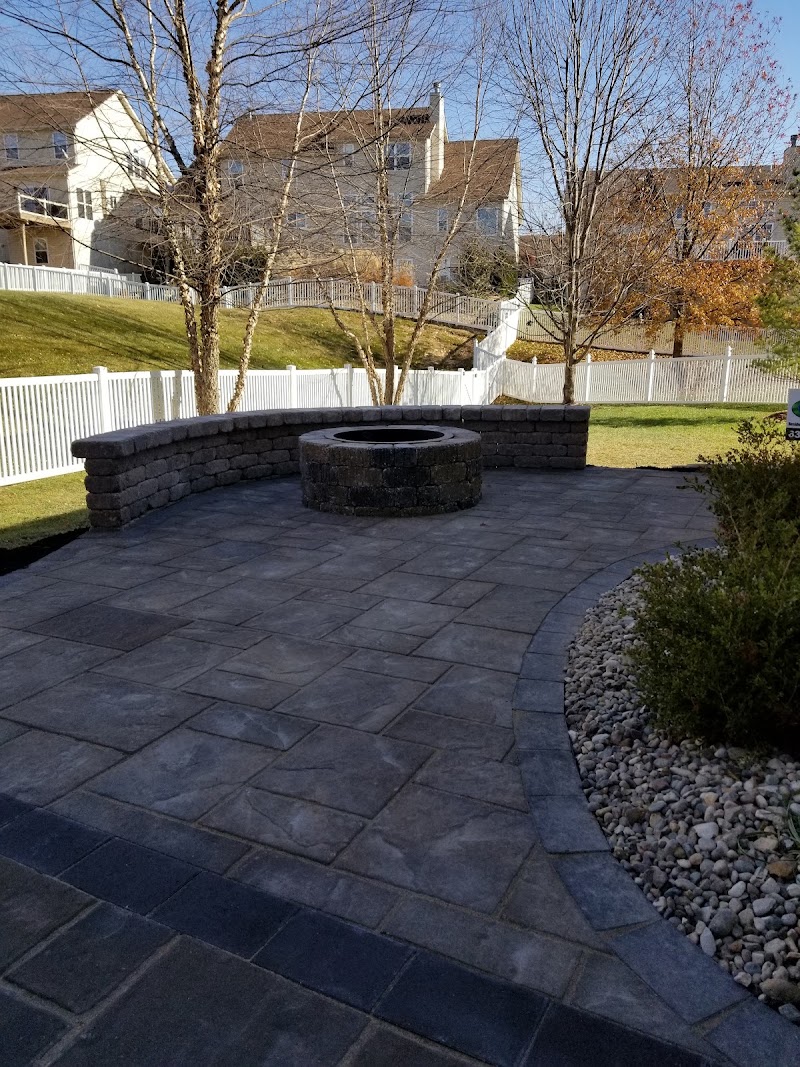
Our place is beautiful and functional because of his expertise.
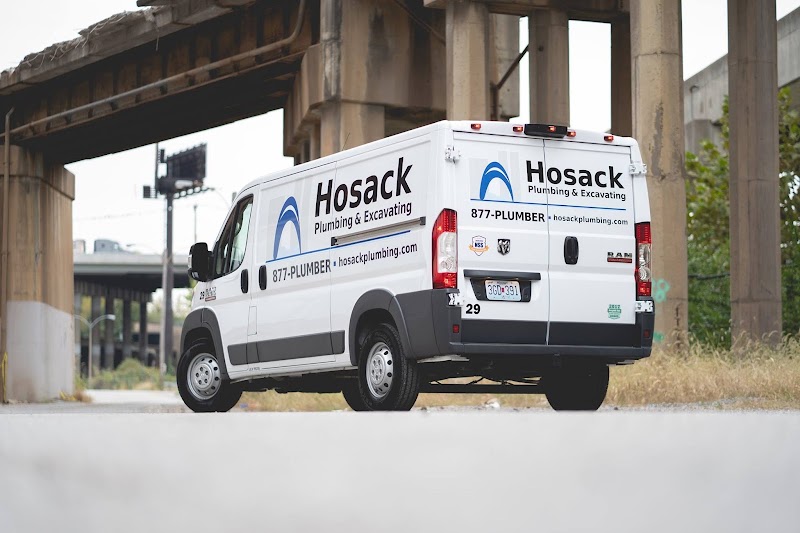
The technician did a great job repairing my valve in the basement.
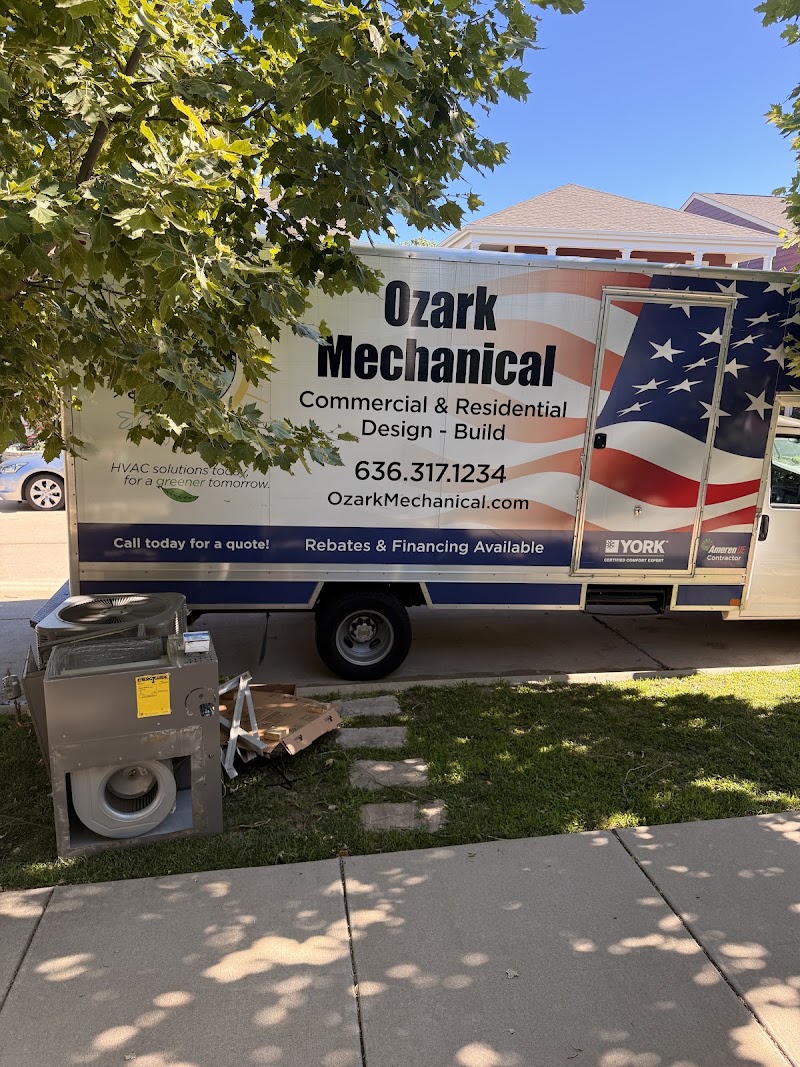
The technician was kind, professional and got us up and working quickly.
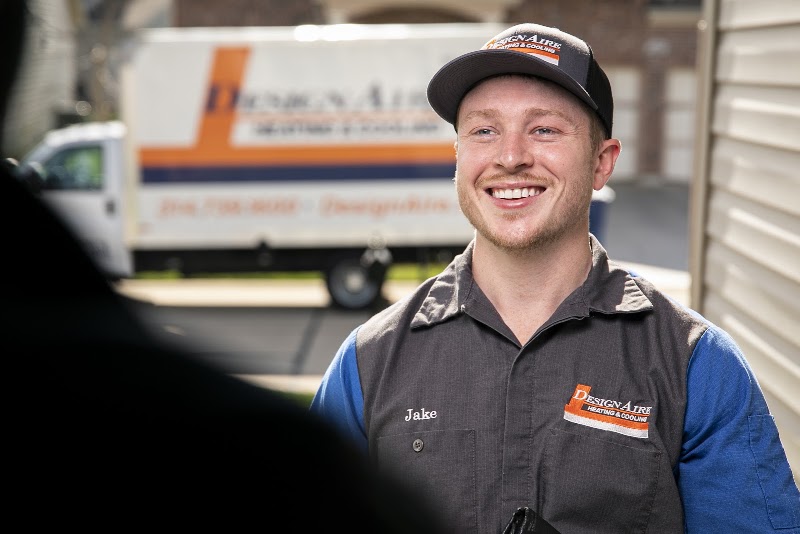
Fixed our AC quickly on a very hot day.
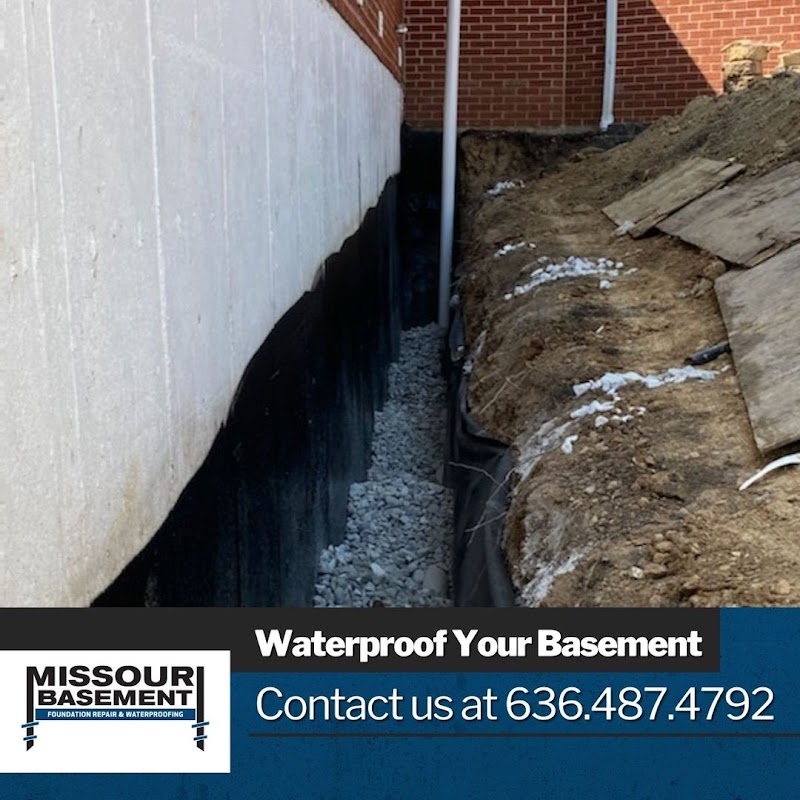
They worked extremely hard and completed the job in 2 days as promised.
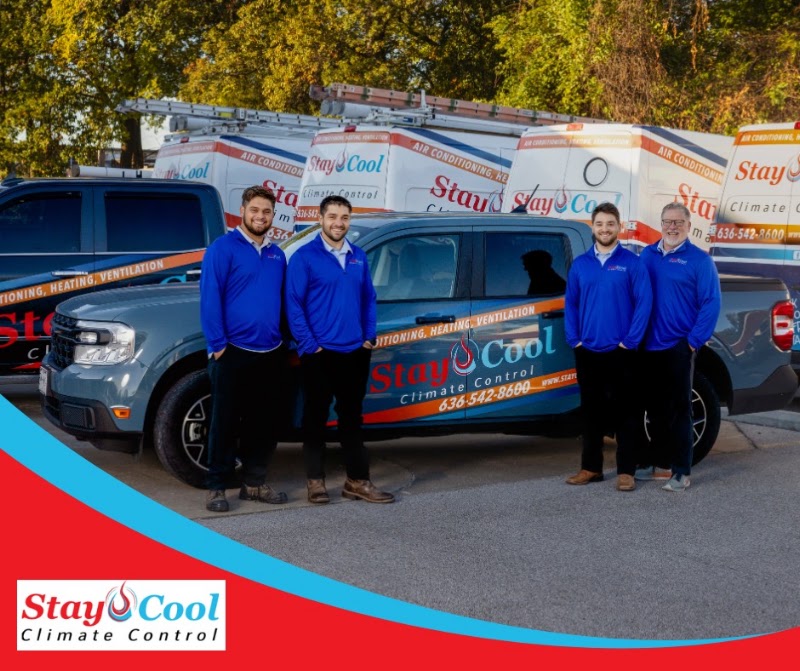
Braden serviced/fixed AC in less than an hour in 95 degree heat.
He installed a new water heater and fixed some other issues quickly for us.
Dave came out and fixed our AC unit promptly & was super friendly.
They came out the same afternoon and fixed the problem.
Their bids were lower than others we got and yet their work was superb.
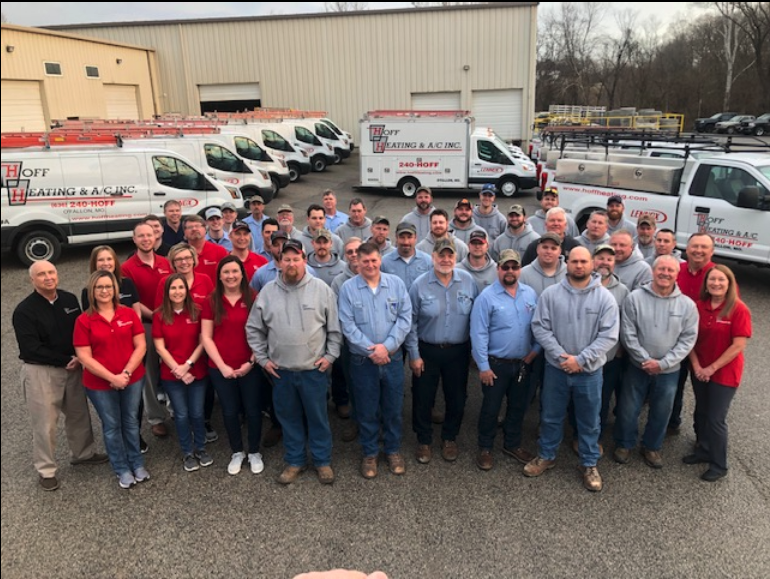
My A/C was fixed within 2 hours of my first call to them!
Foundation repair specialists in St. Peters.
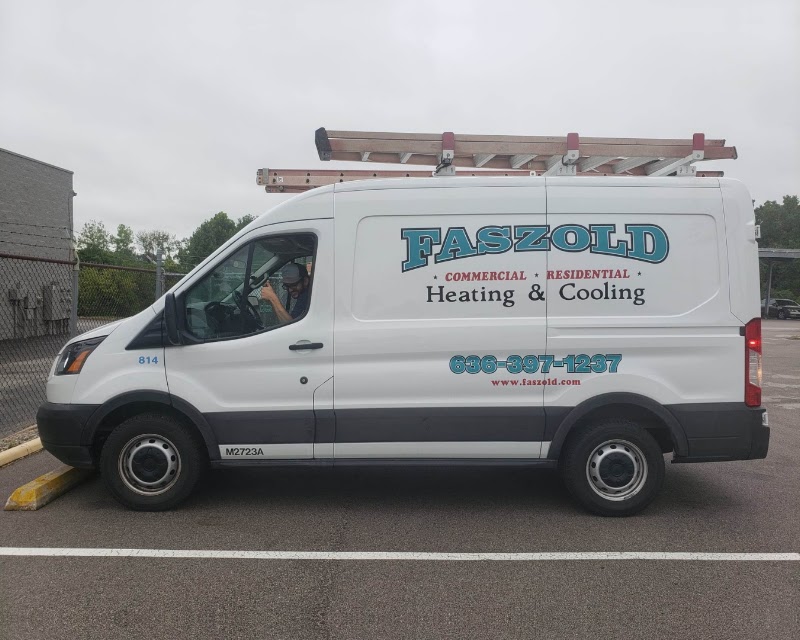
They did a very amazing job. They were efficient, quick clean, and they handled my big dog without any issues...
Professional plumbing services for St. Charles area
He explained the issue and my AC was working again in no time.
He was knowledgeable and able to fix my AC unit quickly.
They were prompt, efficient and total quality with every detail of the job.
They were out within an hour and got A/C up and running in no time.
Not only did they respond, they fixed it fast.
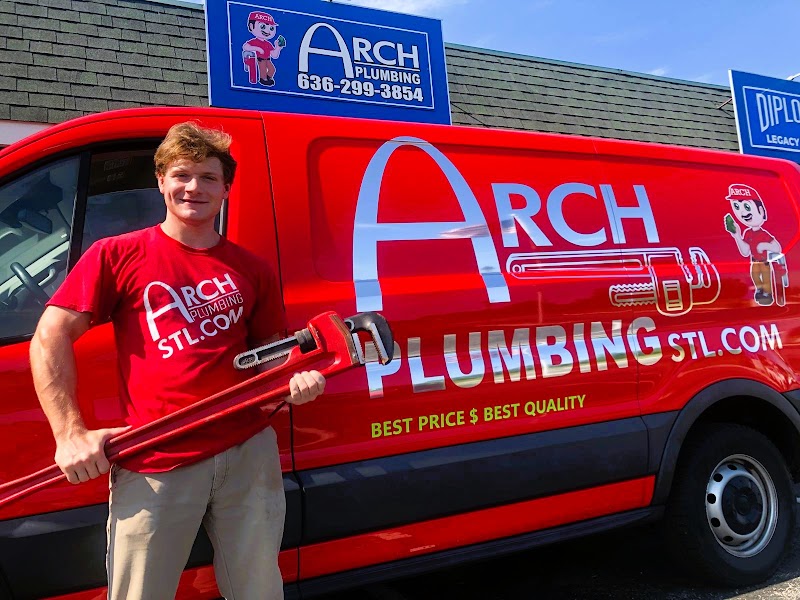
Professional plumbing services for the St. Louis metro area.
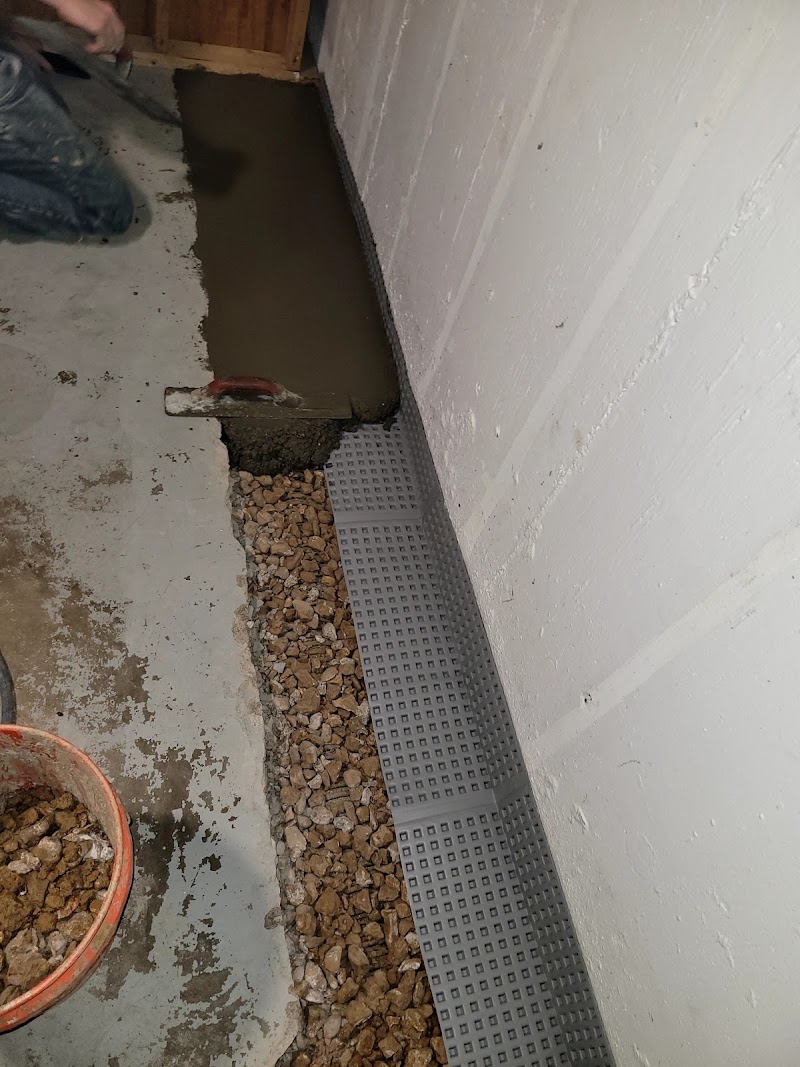
They arrived on time and completed the job in a clean and timely manner.
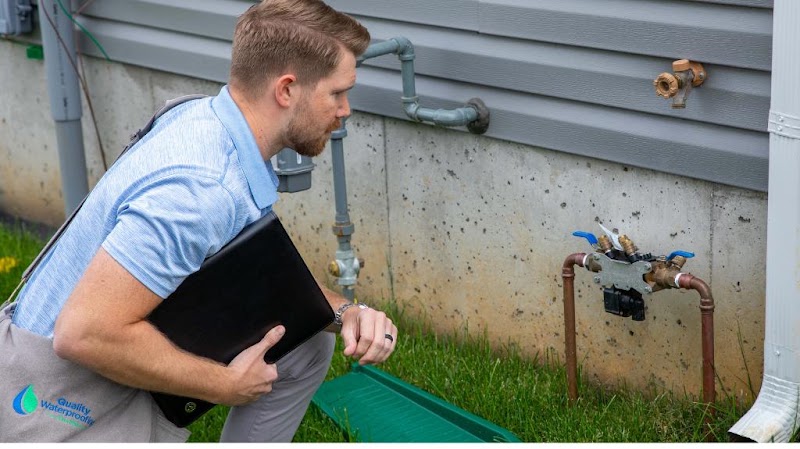
They are knowledgeable, kind, and provide service at a great value.
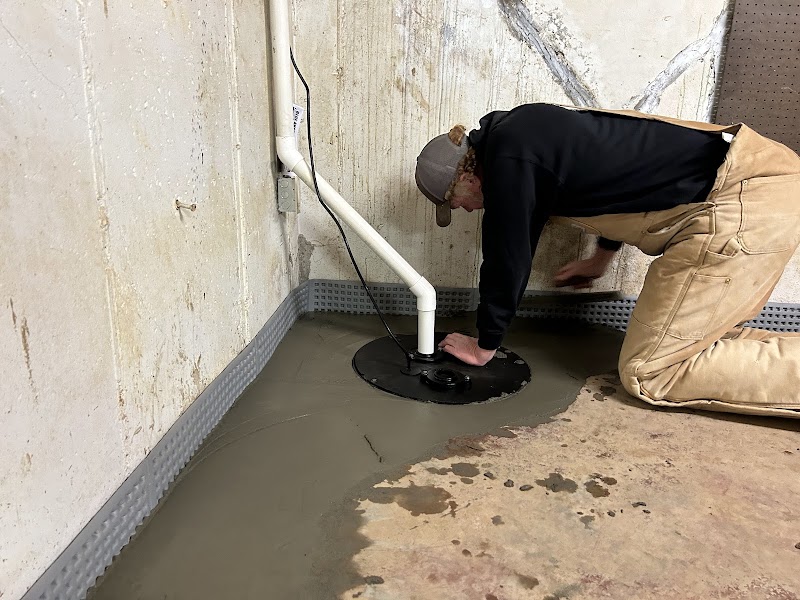
They were able to work within our timeframe and did a fantastic job.
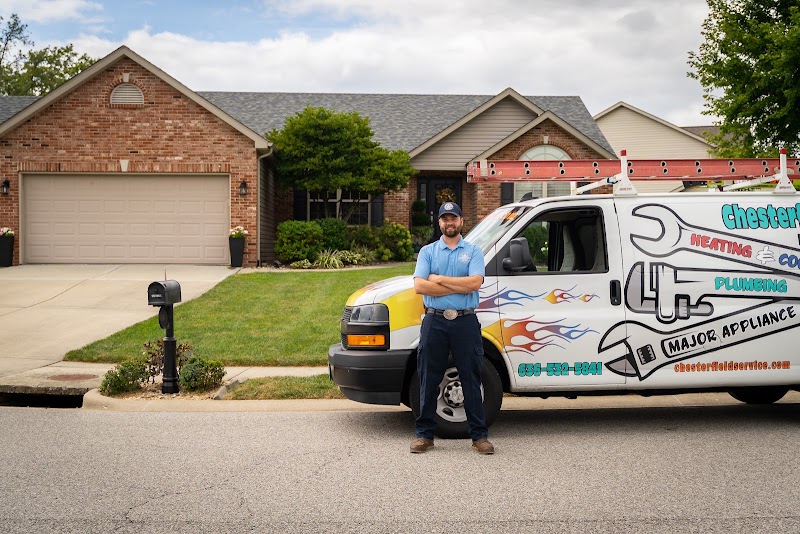
They fixed our AC unit for us and made sure they did it the right way.
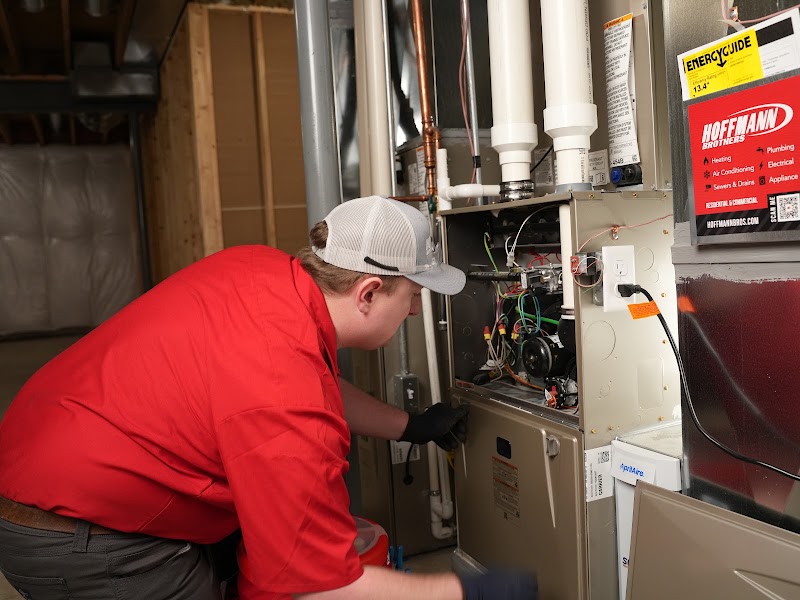
Professional plumbing and HVAC services.
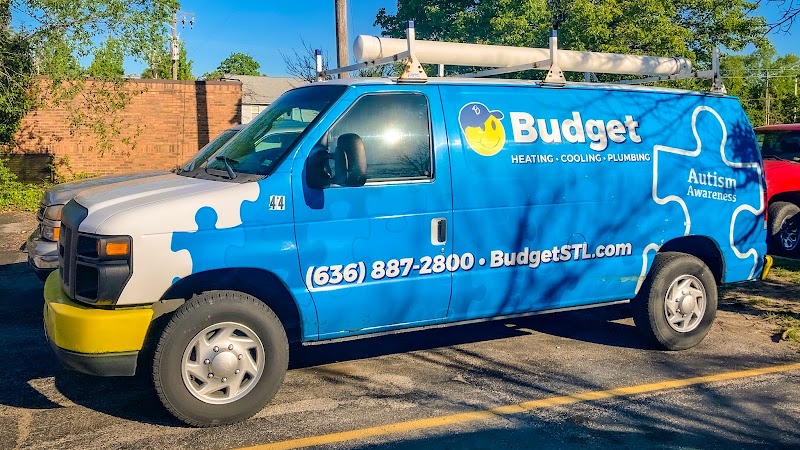
Devon is a great job in troubleshooting and fixing my AC very quickly.
Kept us informed along the way and fixed our A/C unit.
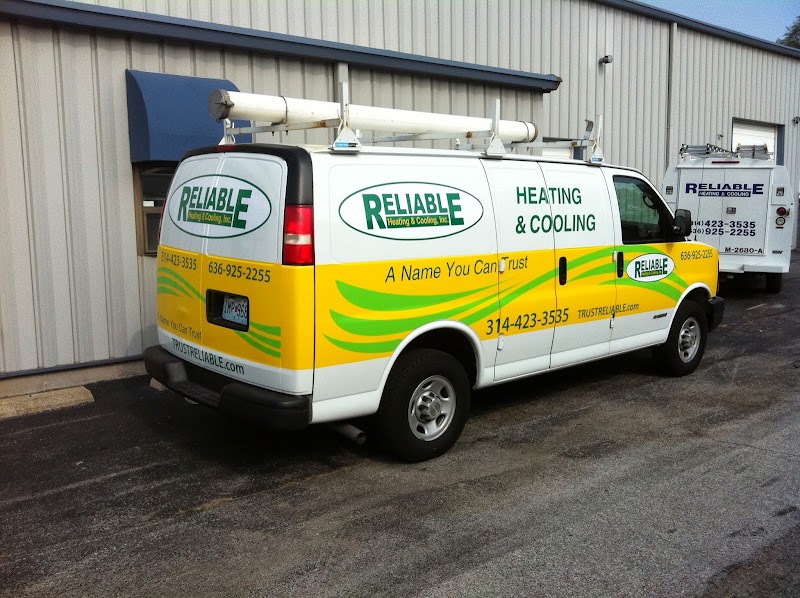
The system was repaired
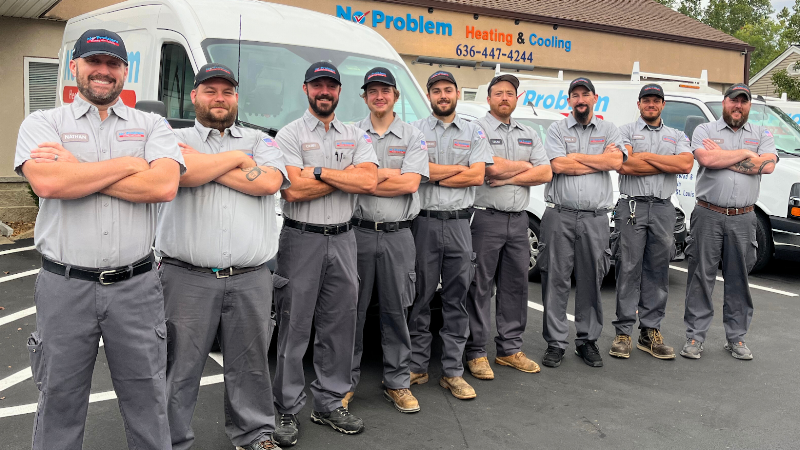
He had our thermostat swapped out in no time, and our house is warm again.
He did a first class job installing our water heater.
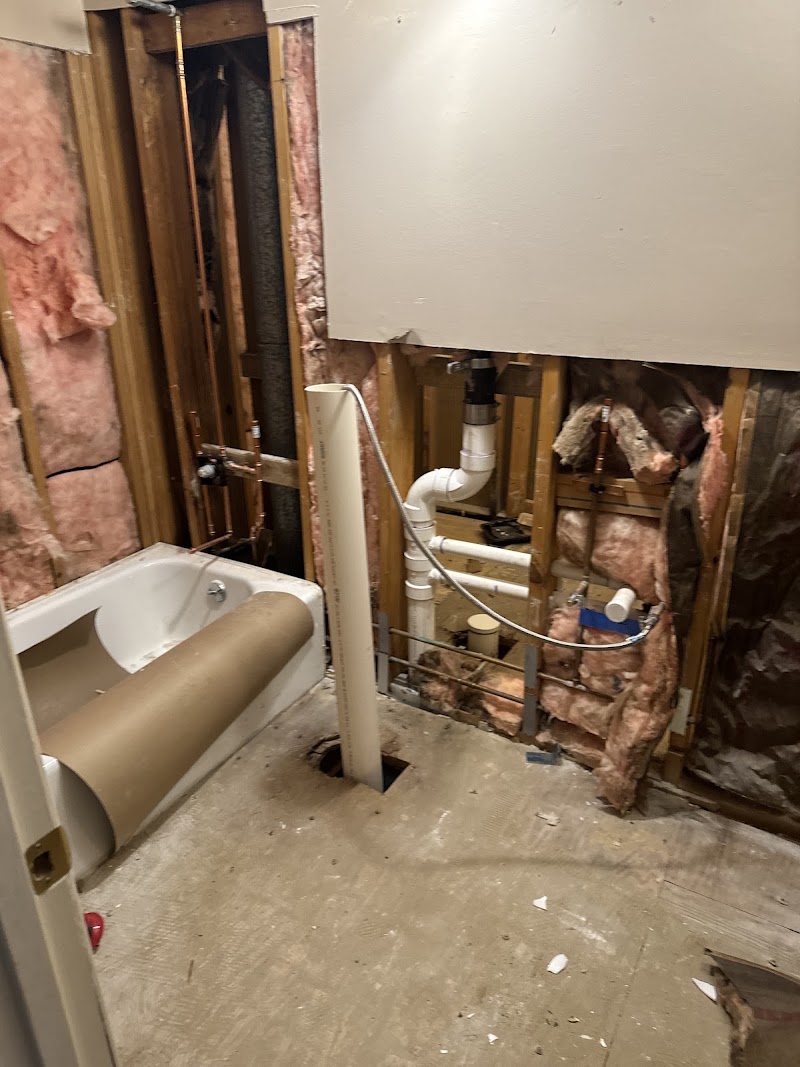
Work was done quickly and professionally, excellent work and quick response.
Professional foundation repair, concrete leveling, and structural solutions.
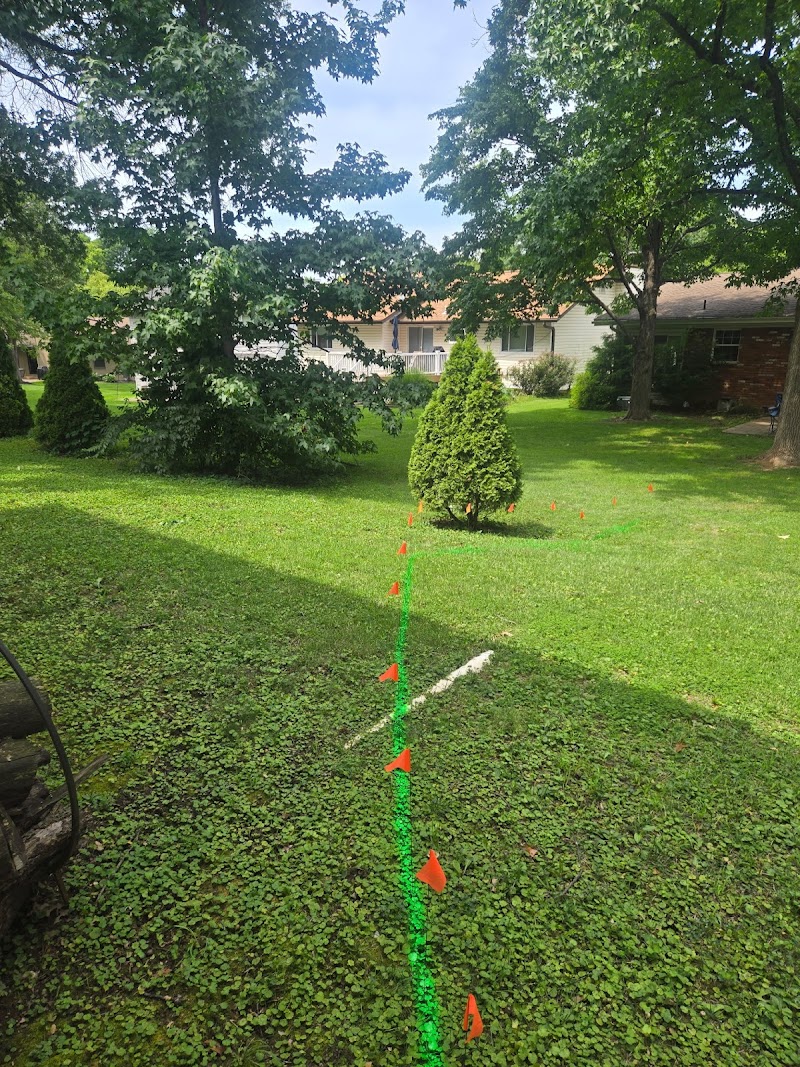
Expert plumbing solutions with precision workmanship
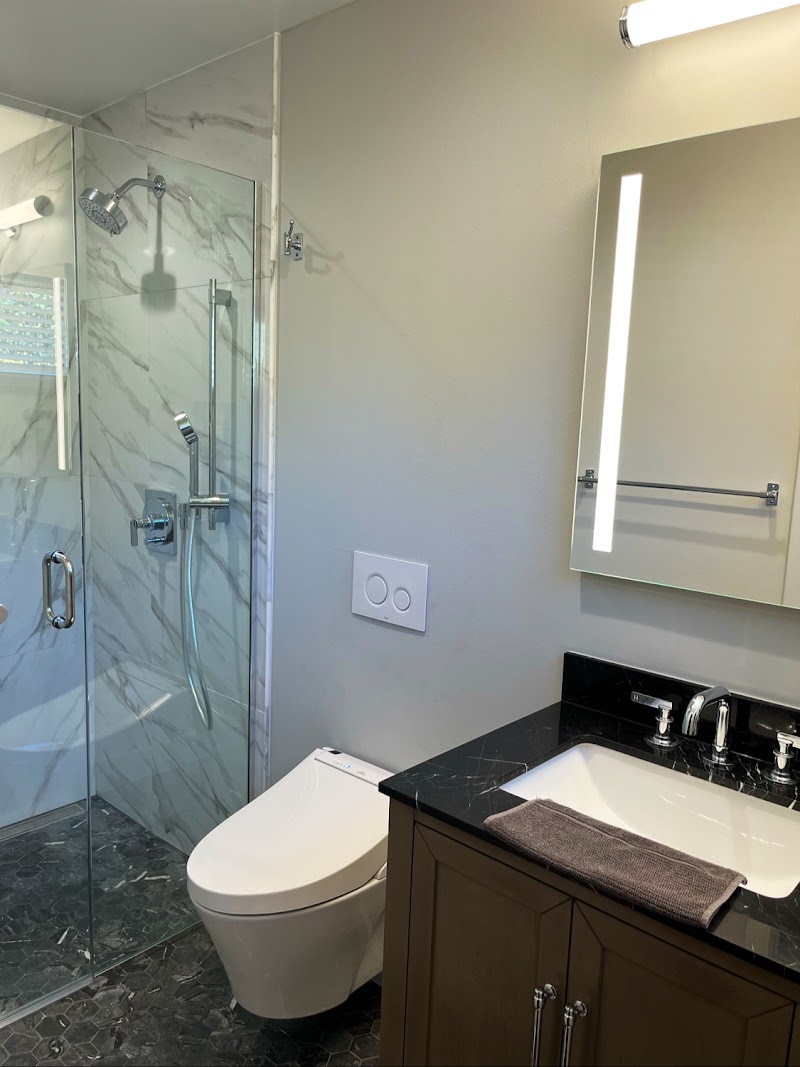
Top-rated basement specialists. Customer review: "Would highly recommend, if you are in need of any basement repair/waterproofing."
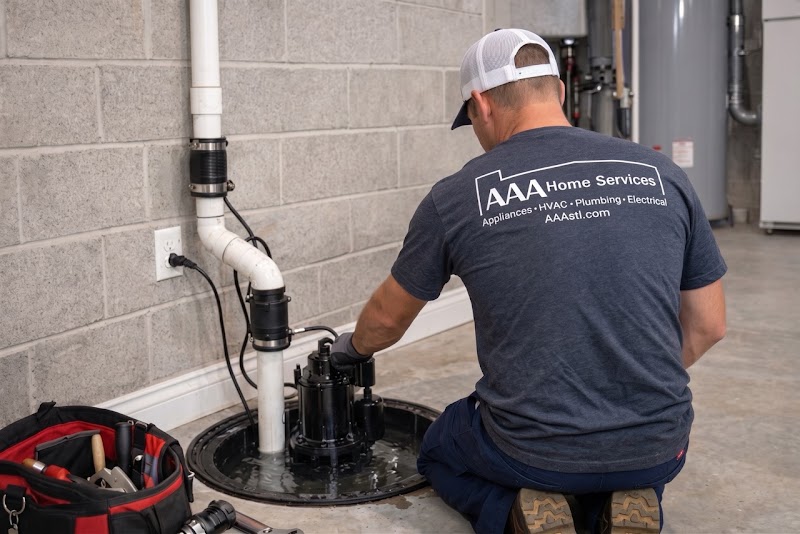
Tim worked hard to solve a tricky problem.
Pros at what they do.
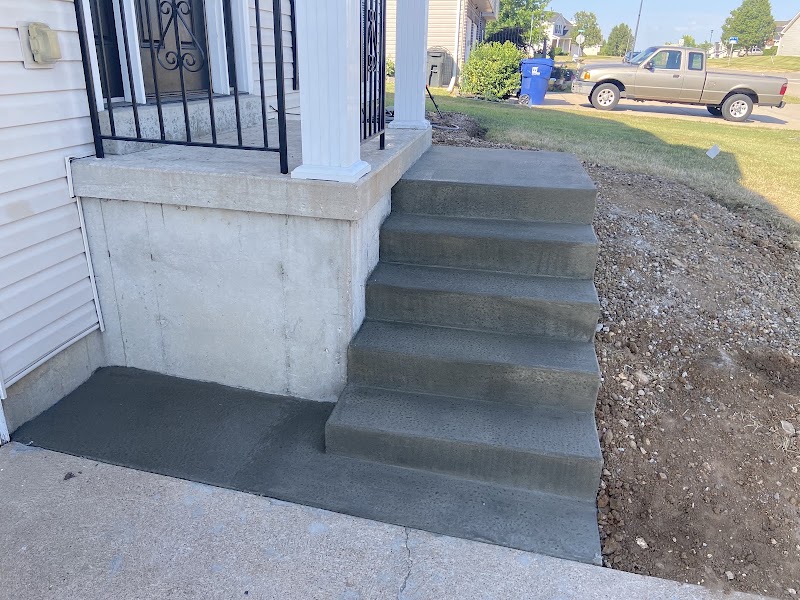
They were on time and did a first rate job.
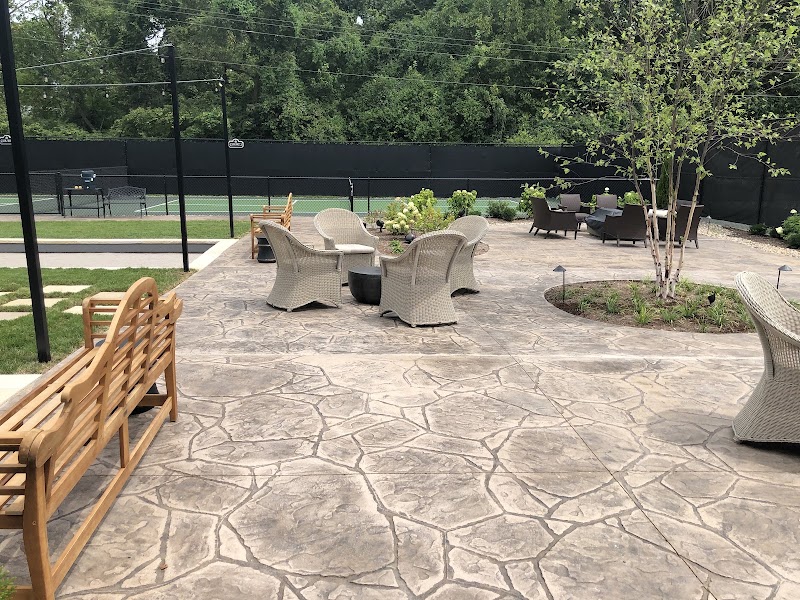
They used top-grade materials, ensuring durability and longevity.
Professional HVAC system repair services for heating and cooling units.
Find prosComplete HVAC system installation for residential and commercial properties.
Find prosAir conditioning repair and maintenance services to keep you cool.
Find prosFurnace repair and maintenance to ensure reliable heating.
Find pros24/7 emergency HVAC services for urgent heating and cooling issues.
Find prosPipe repair and replacement for all plumbing systems.
Find prosSewer line repair and replacement services.
Find prosProfessional drain cleaning to remove clogs and blockages.
Find prosProfessional water heater installation for all types of units.
Find prosWater heater repair and installation services.
Find pros24/7 emergency plumbing services for urgent issues like burst pipes.
Find prosGeneral plumbing repair services for leaks, fixtures, and pipes.
Find prosTrusted HVAC, plumbing, and foundation contractors serving the broad range of homes across unincorporated St. Louis County.
St. Louis County is a large and diverse area that includes everything from dense suburban neighborhoods to wooded lots and rural-style properties. Because "St. Louis County" covers so many different communities and housing types, homeowners need contractors who can adapt to varied foundation types, well water or municipal water, septic or sewer, and homes ranging from mid-century ranches to newly built subdivisions.
STL Home Pros helps St. Louis County homeowners find local contractors across this wide service area. Whether you live near Creve Coeur, Florissant, Kirkwood, or an unincorporated pocket, our directory includes pros who understand county building codes, soil conditions, and the specific challenges of your neighborhood.
St. Louis County building codes apply across unincorporated areas and many municipalities. Permit requirements vary by township, but most HVAC replacements, water heater installations, plumbing modifications, and foundation repairs require permits. Your contractor should verify local requirements.
Verify permits, flood zones, and utility details directly with these official sources:
Check your address against the municipality list on the county website. If your home is inside an incorporated city, that city’s building department handles permits. Unincorporated addresses go through St. Louis County Public Works.
The county maintains licensing requirements for several trades in unincorporated areas, and many municipalities run their own programs. Always ask for the license number and verify it with the issuing jurisdiction before hiring.
Much of the county’s housing is 50–70 years old, and original clay laterals are reaching the end of their service life. Root intrusion is the most common failure. A camera inspection before purchase or when drains slow is far cheaper than an emergency excavation.